RESEARCH
Lightening the existential vacuum
Digital Anthropology
Research on how our sensitive & empathic capacities mutate due to the ongoing evolution
Research on how our sensitive & empathic capacities mutate due to the ongoing evolution
Antropología digital
Investigación sobre cómo mutan nuestras capacides sensibles y empáticas a partir de la permanente evolución digital
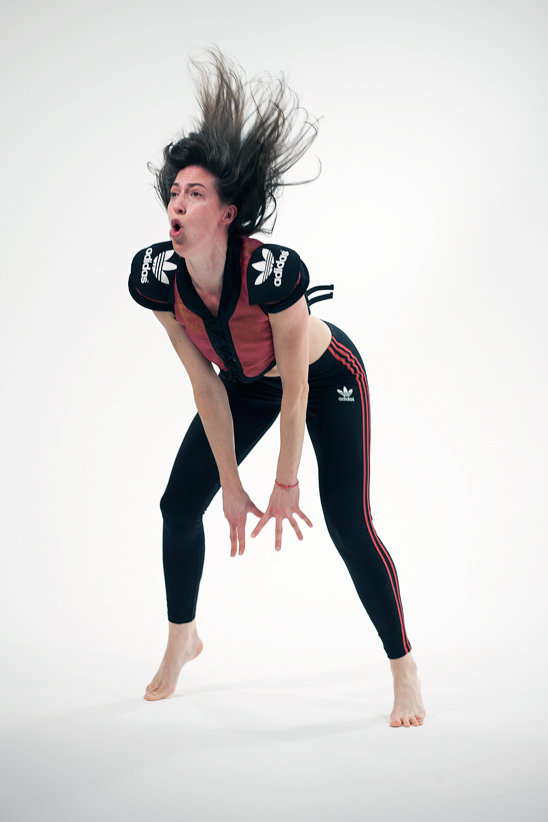
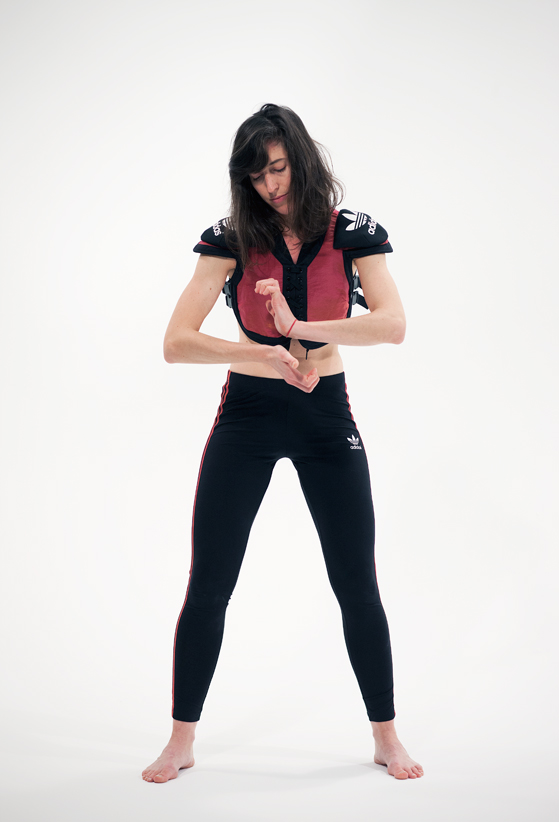



images courtesy of Mercedes Azpilicueta & Nicolás Gullota
Lightening the Existential Vaccuum is a research related to digital anthropology and how our sensitive & empathic capacities are mutating due to the ongoing digital evolution
Iluminando el vacío existencial es una investigación sobre antropología digital, relacionada a cómo nuestras capacidades sensibles y empáticas mutan a partir de la permanente evolución digital
PUBLICATIONS / PUBLICACIONES
2023
Untitled. After Pandemic
Text written on digital anthropology and the mutation of our sensitive & empathic capactities due to the on-going digital evolution, after 2020 Pandemics.
English MEDIUM

2020
Gilles Jobi,_VR_I _2018 - now
About Gilles Jobin´s work exhibited in Istituto Svizzero, Rome, in 2018
Text written in association with ODIA (Observatorio de Derecho Informático Argentino . Observatory of Argentinean Informatic Law)
LINK English MEDIUM

2019
Fibers. Skin, Voice and Earth. Written between February and July 2019
Published by Droste Effect Magazine in July 2019
Editor in chief: Vincenzo Estremo. Project manager Matilde Soligno
Edited by Matilde Soligno.
LINKS English Droste Effect 20 / Español PDF

How to Make Sense of a Life Surrounded by Cognitive Mining?
About Veronica Draexler´s work for the exhibition Hypernaturality (2019), printed and published for by GEDOK Munich
Text written for Veronika Draexler´s catalogue Post-Everything Ritualism and Hypernaturality for her exhibition at GEDOK Galerie, Munich, October 2019
LINKS English Catalogue / Español PDF

2017
Lightening the Existential Vaccuum
Introduction to my Dissertation for my master in Contemporary Art Theory at Goldsmiths
LINK to Academia.edu
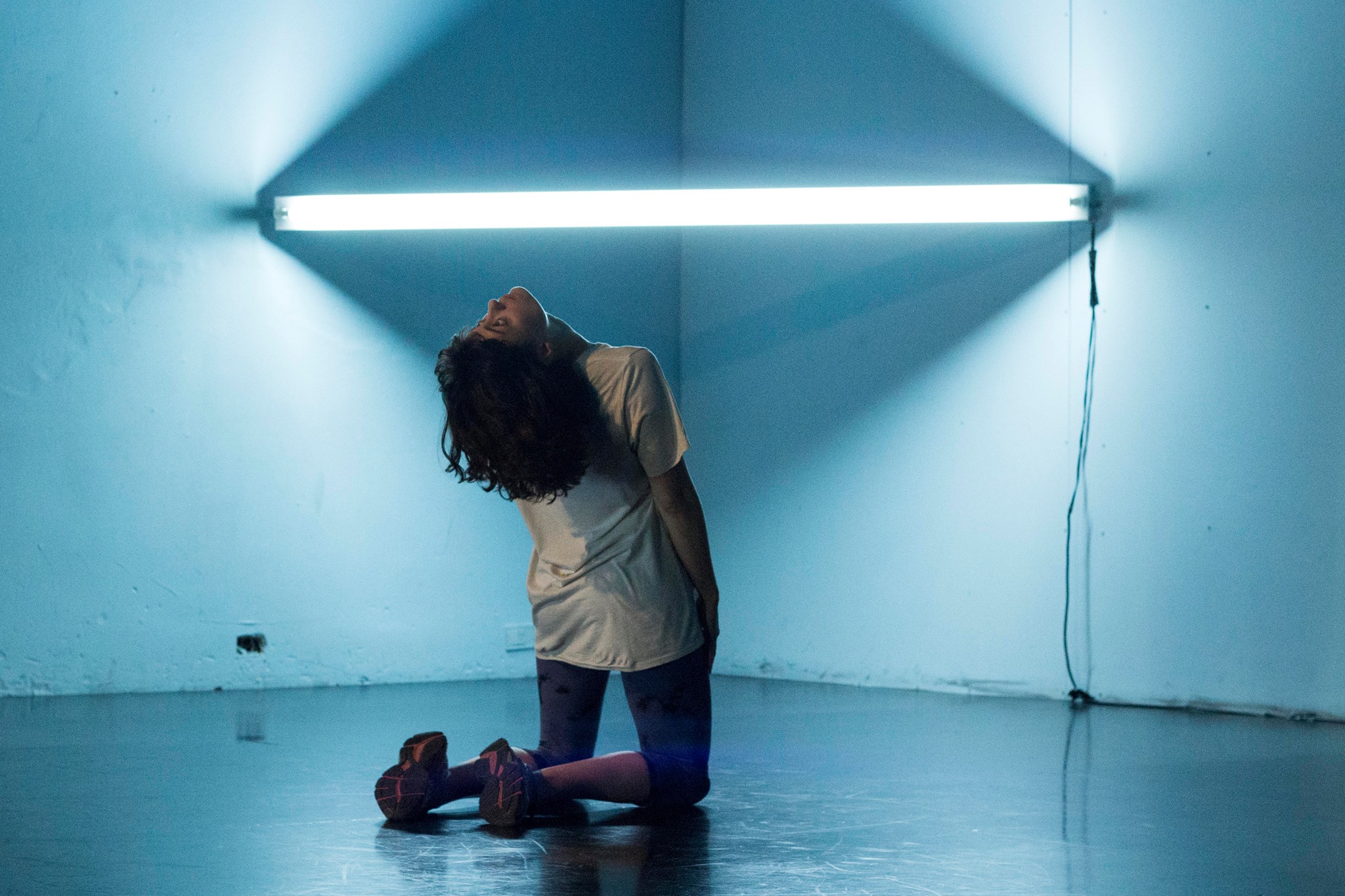
Somatic experiences of hyper-connection
This is a text adaptation from a longer written Dissertation titled Lightening the Existential Vacuum, delivered at Goldsmiths, University of London (Department of Visual Cultures, tutored by Irit Rogoff, 2017). The investigation is still on-going.
“The Sound of the Machine” (El Sonido de la Máquina), by Nicolás Gullota & “Almost Never” (Casi Nunca)
English - Español
“Un Mundo Raro” (A Rare World) by Mercedes Azpilicueta
English - Español
“Pose de ida”, by Florencia Vecino
English - Español
social media research
INSTAGRAM PROJECTSI have developed different projects on Instagram according to what I have been investigating since 2015


- 2022-current
art.is.rz
- 2018-current
(now suspended)
vulcanic_antimillenial
- 2017-2018
(now suspended)
renatazas.inc
research part I
Master’s Dissertation. Contemporary Art Theory Goldsmiths University of London, Department of Visual CultureSeptember 2017, Tutor Irit Rogoff
Image: courtesy Florencia Vecino
“Our time has grown short, narrow, contracted, so the stimulus hardly translates into desire, and desire hardly translates into conscious contact, and contact hardly translates into pleasure"
Franco ‘Bifo’ Berardi, Futurability, 2017
From a curatorial perspective I am interested in experimenting with exhibition formats that engage different audiences whose sensitivity and attention are being shaped by the overflowing effect of information in contemporary culture. Today´s paradigm brings a sensation of time acceleration intensified by the permanent co-habitation in Cyberspace, transforming the way citizens process information, as well as the time for observing and thinking through cultural practices. During 2016-2017 I’ve been developing an academic individual research which raises questions around this subject matter. This thinking process was conceptualised through the embodiment of artworks by Argentinean artists Nicolás Gullotta (b. 1983 in Buenos Aires. Based in Buenos Aires). , Mercedes Azpilicueta (b. 1981 in La Plata, Buenos Aires. Based in Amsterdam). and Florencia Vecino (b. 1985 in Tandil, Buenos Aires. Based in Buenos Aires) .
Within the context of digital anthropology and the emergency of a new subjectivity, I was interested in the strength that Azpilicueta and Vecino’s performances had, as tools to mobilise the mind and the body of contemporary automatized individuals. At the same time, I thought of Gullotta´s and Azpilicueta’s videos as subtle mental strategies directed to the viewer with the same purpose. These are practices that stand as alternatives of reflection upon what is referred as the conditions of hypercomplexity (Franco ‘Bifo’ Berardi), including time perception, the biorhythm, algorithm and the imperatives of self-design, among other themes. In this context of visual and semiotic oversaturation, the mind and the body are disentangled, making an impact at an individual and a social level. As a wakeup call, Azpilicueta, Gullotta and Vecino’s works make use of the potency of the body as disrupting gestures against all kinds of mechanization.
From the understanding of this big and complex panorama I embedded myself in media theory, sociology and philosophy, to contextualise how algorithmic culture affect the global subject. Moreover, I have also tried to think of the differences in which the global and the local intersect along this paradigm, setting some hypotheses which I would like to develop further in my next research. Overall, my analysis on the artists’ works highlighted the potency of the body in the Internet Era, and speculated around local differences between Latin American, Central Europe and the U.S.
Departing from a body of artworks by Contemporary Argentinean artists, I raised questions related to the contemporary human condition embedded in digital life: psychopathologies, the cancellation of dead time, the characteristics of the new subjectivity, the de-activation of the potency of the body.
On-going investigation. The second part of the investigation has been developed between Buenos Aires, Berlin, Torino and Milan.
Text: Renata Zas
Only available in English ATM
EXERCISE IS DAILY